Source Mini Digital Camera for Video Calls, Security, and Inspection
Explore 30 options for the mini digital camera, featuring USB 2.0 connectivity and resolutions up to 1080p. Compare models like the SX-608 series with CMOS sensors, night vision capabilities, and CE certification for diverse industrial and consumer applications; compare the available evidence and request quotations based on your requirements.
Key considerations
Products List


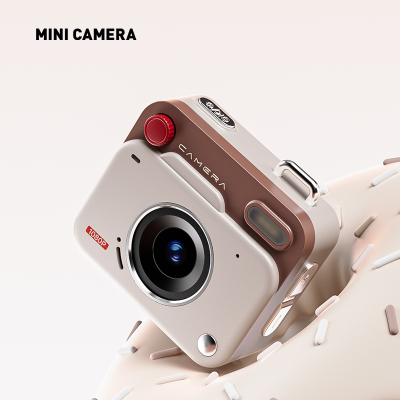


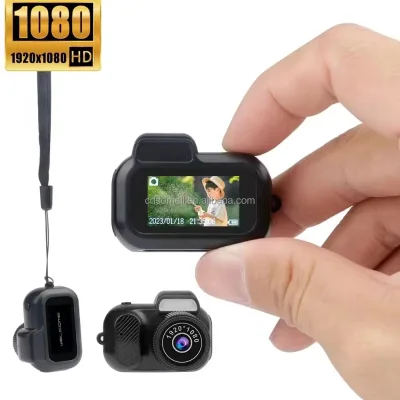

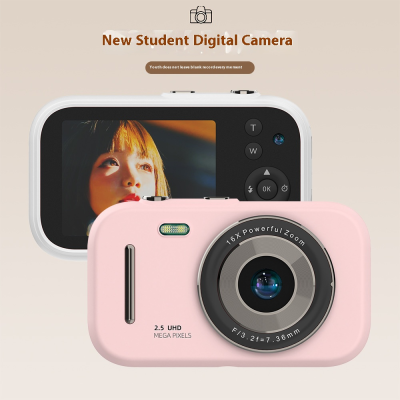
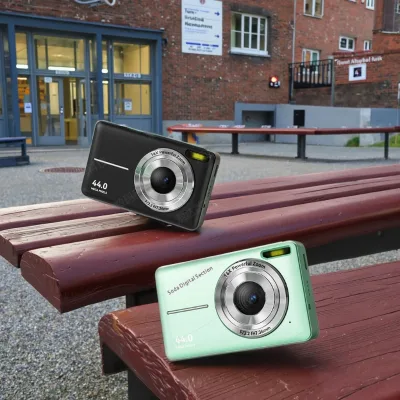
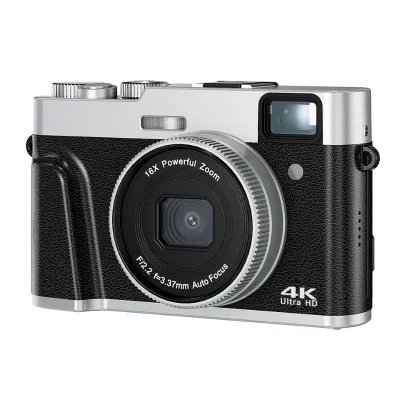
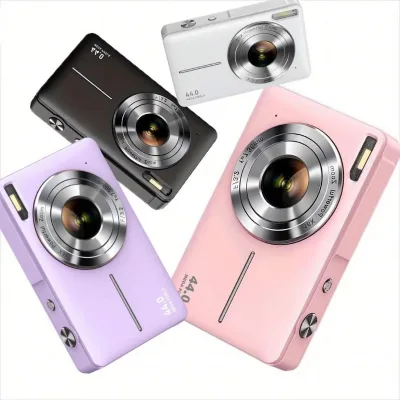
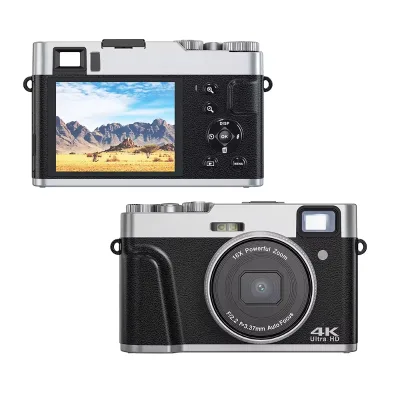



Comprehensive Sourcing Guide
Mini Digital Camera Sourcing Guide
The global market for mini digital cameras presents a diverse array of options ranging from compact USB peripherals to ruggedized industrial imaging units. Buyers must distinguish between consumer-grade devices designed for general connectivity and specialized models engineered for specific environments like automotive or agricultural machinery. The observed product listings indicate a strong presence of units compatible with both iPhone and Android ecosystems, alongside models featuring high-quality glass lenses and varying sensor resolutions. Understanding these distinct categories is the first step in aligning procurement with specific operational needs rather than generic imaging requirements.
Procurement strategies should account for the wide variance in functional capabilities observed in current listings, such as the inclusion of night vision, waterproofing, and shockproofing features in certain industrial variants. While some units offer standard USB 2.0 interfaces with 1080p resolution, others are tailored for specific vehicle applications with reverse image displays and alloy shells. Sourcing teams must carefully evaluate whether the required functionality, such as 30fps video modes or specific optical zoom ranges, matches the intended deployment scenario to avoid purchasing over-engineered or under-speced equipment for the target use case.
Product Scope and Observed Listing Signals
Current market signals reveal a product scope that spans from basic 640x480 resolution sensors to advanced 1920x1080 CMOS imaging solutions. The observed listings highlight a significant differentiation in sensor technology, with some units utilizing CCD chips while others employ 2.0MP CMOS sensors with varying pixel sizes ranging from 1/4 inch to 1/2.7 inch. This variation directly impacts image quality and low-light performance, requiring buyers to verify the specific sensor type and resolution before committing to a bulk order to ensure the device meets the clarity standards required for their specific application.
Listing data also indicates a broad spectrum of physical designs, including natural packaging for simple units and carton packaging for more complex systems. The interface types observed include standard USB 2.0 connections with 480MB/s transfer speeds, while some advanced models feature optional lenses of 3.4mm or 3.6mm focal lengths. Buyers should note that while some products are marketed as innovative 2-in-1 solutions, others are specialized for heavy machinery like harvesters or forklifts, necessitating a clear definition of the target environment to filter the appropriate product models from the available inventory.
Technical Specifications to Verify
Verification of the image sensor and resolution is critical, as observed data shows conflicting specifications such as 640x480 versus 1920x1080 resolutions across different models. Buyers must confirm the effective pixel size and the specific video mode, such as Yuy2, to ensure compatibility with their existing software infrastructure. The presence of an on-chip 10-bit ADC and a dynamic range exceeding 60dB suggests high-fidelity potential, but these metrics must be validated against the actual sensor model, such as the SX-608 series, to guarantee the device can deliver the required image clarity in the intended lighting conditions.
Interface and power specifications require rigorous testing to prevent integration failures in the field. While most units operate on standard DC 5V USB power, the interface type must be confirmed as USB 2.0 to ensure data throughput matches the video resolution. Additionally, the lens quality, described as high-quality glass in some listings, should be cross-referenced with the optical zoom capabilities, which range from 2x to 7x in certain models. Buyers should also verify the S/N ratio, observed at 45dB in some units, to assess noise performance in low-light scenarios where image clarity is paramount.
Compliance and Safety Documentation
Regulatory compliance is a non-negotiable aspect of sourcing, with observed listings frequently citing CE, FCC, and RoHS standards as baseline requirements. These certifications indicate adherence to electromagnetic compatibility and hazardous substance restrictions, which are essential for market access in Europe and North America. Procurement teams must request valid certification documents for each specific model, as the presence of a CE mark on one product does not automatically extend to all variants within a supplier's catalog, especially when models differ significantly in their internal circuitry and power consumption.
Safety documentation must also address the specific environmental ratings claimed for ruggedized models, such as waterproof, dustproof, and shockproof capabilities. While some listings mention these features, the exact IP rating or testing standards used to validate these claims are not always explicitly detailed in the initial product descriptions. Buyers should require third-party test reports that verify the durability of the alloy shell and the integrity of the sealing against water and dust ingress, particularly for units intended for use in agricultural vehicles or engineering machinery where environmental exposure is severe.
Cost Drivers and Commercial Terms
Pricing in the mini digital camera market is heavily influenced by the complexity of the sensor technology and the inclusion of specialized features like night vision or optical zoom. The observed price range of 5.45 to 58.99 USD reflects this disparity, with basic USB cameras costing significantly less than industrial-grade units with advanced imaging capabilities. Buyers should analyze the cost per unit against the specific technical requirements, recognizing that higher prices often correlate with better dynamic range, superior lens quality, and more robust construction materials like alloy shells versus standard plastic.
Commercial terms, including Minimum Order Quantity (MOQ) and packaging, vary widely and impact the total cost of ownership. The observed MOQ range of 1 to 300 units allows for flexibility, but bulk purchasing may unlock better pricing tiers for standardized models. Packaging options, ranging from natural packages to cartons, also affect logistics costs and product protection during transit. Procurement teams should negotiate terms that align with their inventory strategy, ensuring that the chosen supplier can accommodate the required volume without compromising on the quality of the natural or carton packaging used to protect the sensitive optical components.
Supplier Qualification and Quality Control
Supplier qualification should prioritize manufacturers with a proven track record in Shenzhen, China, a hub known for electronics manufacturing and supply chain efficiency. The observed product origins consistently point to this region, suggesting a mature ecosystem for producing mini digital cameras. Buyers should verify the supplier's production capacity and their ability to maintain consistent quality across different models, such as the SX-608 series, to ensure that the innovative features and high-quality glass lenses are manufactured to a uniform standard across all units in the order.
Quality control protocols must be established to verify the functional integrity of each unit before shipment. This includes testing the USB interface stability, verifying the 30fps video capture capability, and checking the accuracy of the resolution specifications. For models claiming night vision or waterproofing, random sampling should be subjected to environmental stress tests to confirm the durability of the alloy shell and the effectiveness of the sealing. Establishing a clear acceptance criteria based on the observed specifications, such as the 10-bit ADC resolution and dynamic range, is essential to mitigate the risk of receiving substandard products.
Long-Term Procurement Checks
Long-term procurement success depends on the availability of spare parts and the continuity of the product line, particularly for specialized models used in critical applications like agricultural vehicles or forklifts. Buyers should assess the supplier's commitment to maintaining the production of specific models, such as the MS-308 or SX-608 variants, to ensure that replacement units or compatible accessories remain available over the product lifecycle. This is especially important for industrial applications where downtime due to equipment failure can result in significant operational losses.
Continuous monitoring of market trends and technological advancements is necessary to ensure the procured devices remain relevant. As sensor technology evolves, buyers should evaluate whether the current 2.0MP CMOS or CCD sensors will meet future performance expectations or if an upgrade path exists. Additionally, maintaining a relationship with the supplier to stay informed about new certifications or updated standards, such as changes to FCC or RoHS regulations, will help ensure ongoing compliance and prevent supply chain disruptions caused by regulatory shifts in the global electronics market.
FAQs
What resolutions are available for the mini digital camera?
The mini digital camera offers multiple resolution options to suit different needs. The SX-608L model provides 1920*1080 resolution, while the SX-608D supports 640*480. These variations allow buyers to select the appropriate image clarity for their specific application requirements.
Can the mini digital camera be customized for specific brands?
Yes, customization is available for this mini digital camera product line. The product attributes indicate that it supports applicable brands such as iPhone, Android, and Sonny. Buyers requiring specific branding or interface compatibility should contact suppliers directly to discuss custom manufacturing options.
What certifications does the mini digital camera hold?
The mini digital camera holds several key certifications including CE, FCC, and RoHS. Some listings also mention UR certification. These standards ensure the product meets international safety and environmental requirements, making it suitable for global distribution and compliance with regulatory markets.
How is the mini digital camera powered and connected?
The device is USB powered via DC 5V and connects through USB 2.0 interface. It supports a transfer speed of 480MB/S. This plug-and-play design ensures easy integration with various computers and devices without requiring external power adapters or complex setup procedures.
What is the minimum order quantity for the mini digital camera?
The minimum order quantity ranges from 1 to 300 units depending on the supplier and specific model. Buyers can start with a single item for testing or place larger bulk orders. This flexibility supports both small-scale procurement and large-volume industrial sourcing needs effectively.
Where are the mini digital cameras manufactured?
The mini digital cameras are manufactured in Shenzhen, China. This location is a major hub for electronics production, offering efficient supply chains and competitive pricing. Buyers sourcing from this region benefit from established manufacturing infrastructure and experienced suppliers specializing in digital camera components.